Slovenia
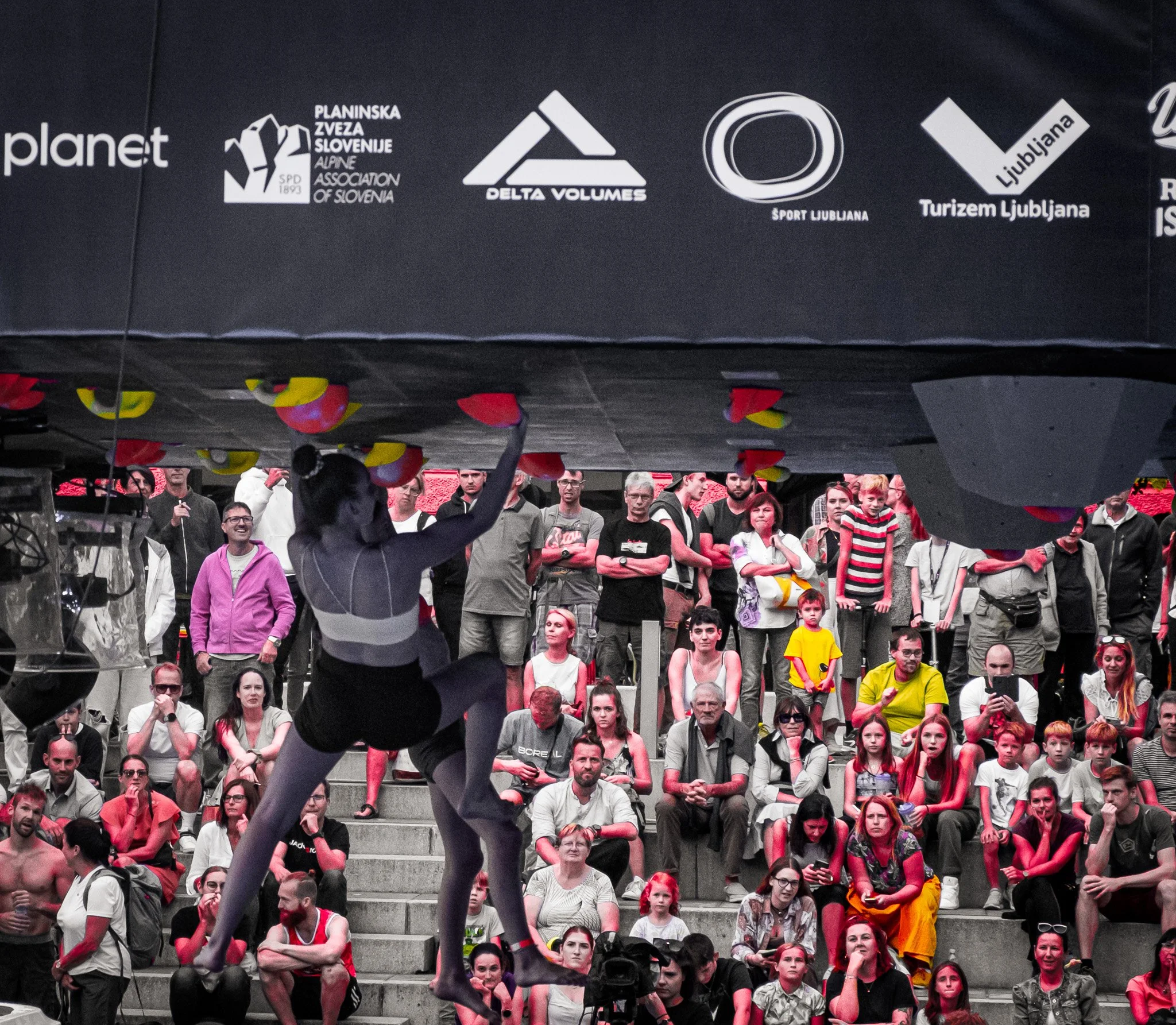
When I arrived in the center of Ljubljana, the place was full of energy and activity. Children were climbing walls while nearby a group of young adults competed in a challenge where they hung from bars and tried to make it to the finish line without falling into the water below. The atmosphere was lively, playful, and full of movement. Watching all of this made me curious about the country and its strong connection to outdoor life, so I decided to learn more about it.
Slovenia is widely known for outdoor activities because it combines dramatic natural diversity, strong outdoor culture, accessibility, and environmental preservation in a very compact country. In just a few hours, you can move from Alpine mountains to forests, rivers, caves, vineyards, and even the Adriatic coast.
Here are the main reasons why Slovenia became such an outdoor destination:
1. Extraordinary Natural Diversity
Slovenia is one of the greenest and most forested countries in Europe. About 60% of the country is covered by forests, creating ideal conditions for hiking, biking, climbing, and nature tourism.
You can find:
Alpine peaks in the Julian Alps
Emerald rivers like the Soča River
Karst caves such as Postojna Cave and Škocjan Caves
Lakes like Lake Bled and Lake Bohinj
Mediterranean coastline near Piran
That variety makes it possible to do:
Hiking
Cycling
Rafting
Canyoning
Skiing
Climbing
Trail running
Paragliding
Kayaking
Cave exploration
all within short travel distances.
2. Deep Outdoor Culture
Outdoor life is deeply rooted in Slovenian culture. Hiking in the mountains is almost part of national identity. Many Slovenians grow up spending weekends in huts, forests, rivers, and mountains.
The country has:
Extensive marked hiking trails
Mountain huts (“planinske koče”)
Cycling infrastructure
Alpine clubs and outdoor associations
Climbing Mount Triglav, the country’s highest mountain, is considered almost a rite of passage for many Slovenians.
3. Compact and Accessible
One reason travelers love Slovenia is efficiency. Unlike larger countries where outdoor regions are far apart, Slovenia allows you to experience many landscapes quickly.
For example:
Morning hike in the Alps
Afternoon swim in a lake
Evening wine tasting in a rural village
all in one day.
This compactness makes it ideal for:
Bikepacking
Road trips
Multi-sport adventures
Slow travel with nature immersion
4. Strong Environmental Preservation
Slovenia invested heavily in sustainable tourism and conservation. It is often promoted as a “green destination.”
Places like Triglav National Park preserve large wild landscapes while still remaining accessible to visitors.
The country emphasizes:
Eco-tourism
Clean rivers and lakes
Low-impact outdoor recreation
Protection of biodiversity
That preservation keeps the outdoor experience authentic and peaceful.
5. World-Class Adventure Sports
The Soča Valley became internationally famous for:
Whitewater rafting
Kayaking
Fly fishing
Canyoning
while the Julian Alps attract:
Climbers
Hikers
Ski mountaineers
Cyclists
Slovenia also punches above its size in professional outdoor sports, producing elite cyclists like Tadej Pogačar and Primož Roglič, which reinforces its outdoor identity internationally.
6. Ideal for Reflective and Slow Travel
What makes Slovenia especially attractive to people who enjoy nature deeply — photography, walking, cycling, rural life, rivers, forests — is the atmosphere.
Compared to some heavily touristed Alpine regions, Slovenia often feels:
quieter
more intimate
less commercial
closer to local life
That combination of wilderness, simplicity, and accessibility appeals strongly to travelers looking for meaningful outdoor experiences rather than only resort tourism