The World Beyond the Screen
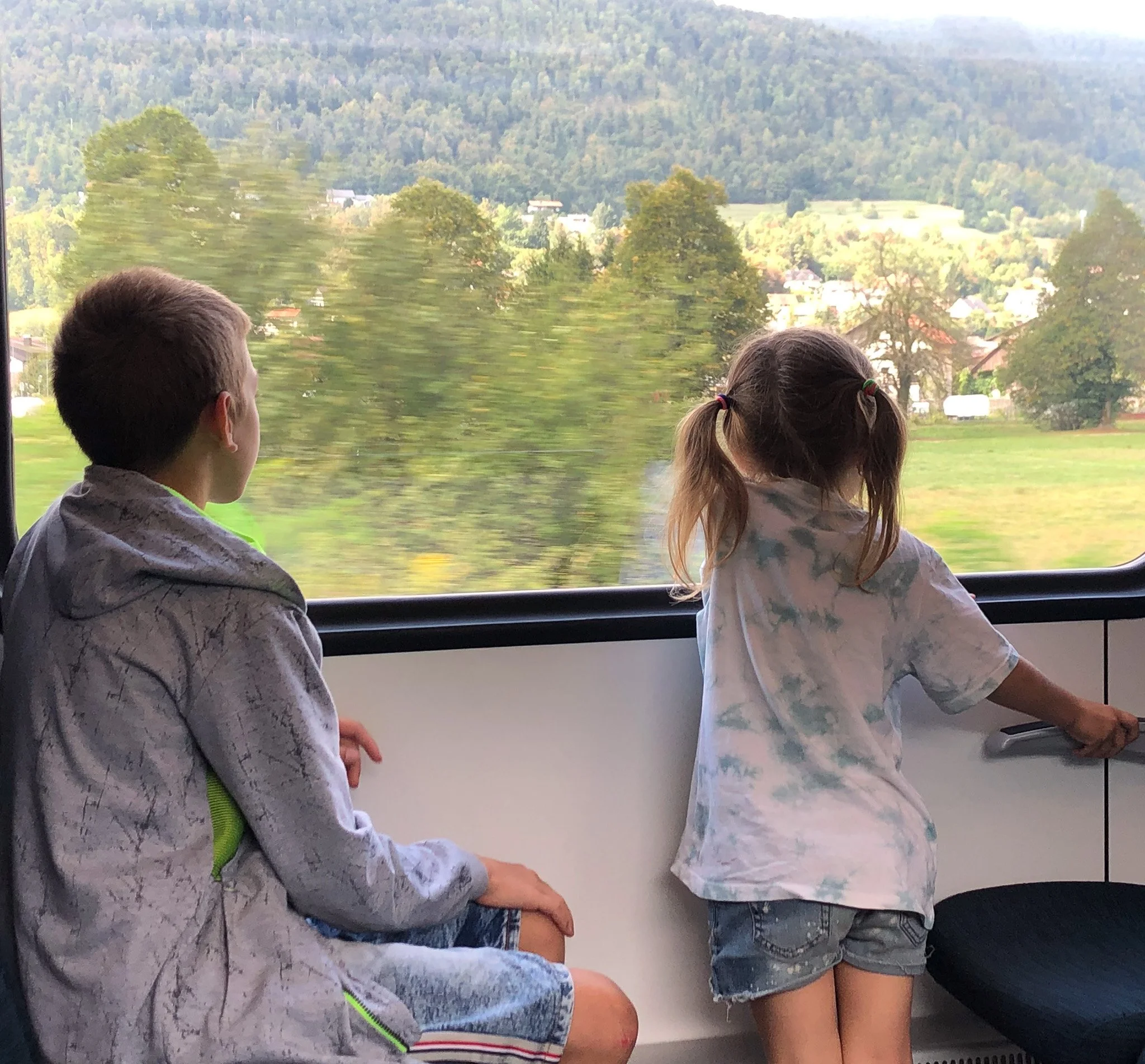
Postojna, Slovenia
There was a time when people traveled to see the world. They looked out of train windows, sat quietly under trees, listened to conversations, and watched sunsets without interruption. Today, many people walk through beautiful streets, sit beside oceans, or hike through mountains while staring down at a glowing screen. The beauty around them still exists, but their attention is somewhere else. The mobile phone has become more powerful than the landscape in front of them.

Llubjana, Slovenia
One reason for this is that mobile phones are designed to capture human attention. Every notification, vibration, and endless scroll is carefully built to keep people engaged. Social media platforms reward quick stimulation—likes, messages, videos, and updates arrive every second. Nature, on the other hand, moves slowly. A sunset takes time. A quiet walk offers no instant reward. The human brain, increasingly trained for speed and stimulation, often chooses the phone because it provides immediate excitement.
Another reason is that many people no longer know how to be still. Silence can feel uncomfortable. Waiting in line, sitting alone, or riding a bus once created moments for observation and reflection. Now those empty spaces are instantly filled with screens. Phones protect people from boredom, but they also prevent moments of awareness. Instead of noticing the shape of clouds, the sound of birds, or the expression on another person’s face, attention disappears into digital noise.
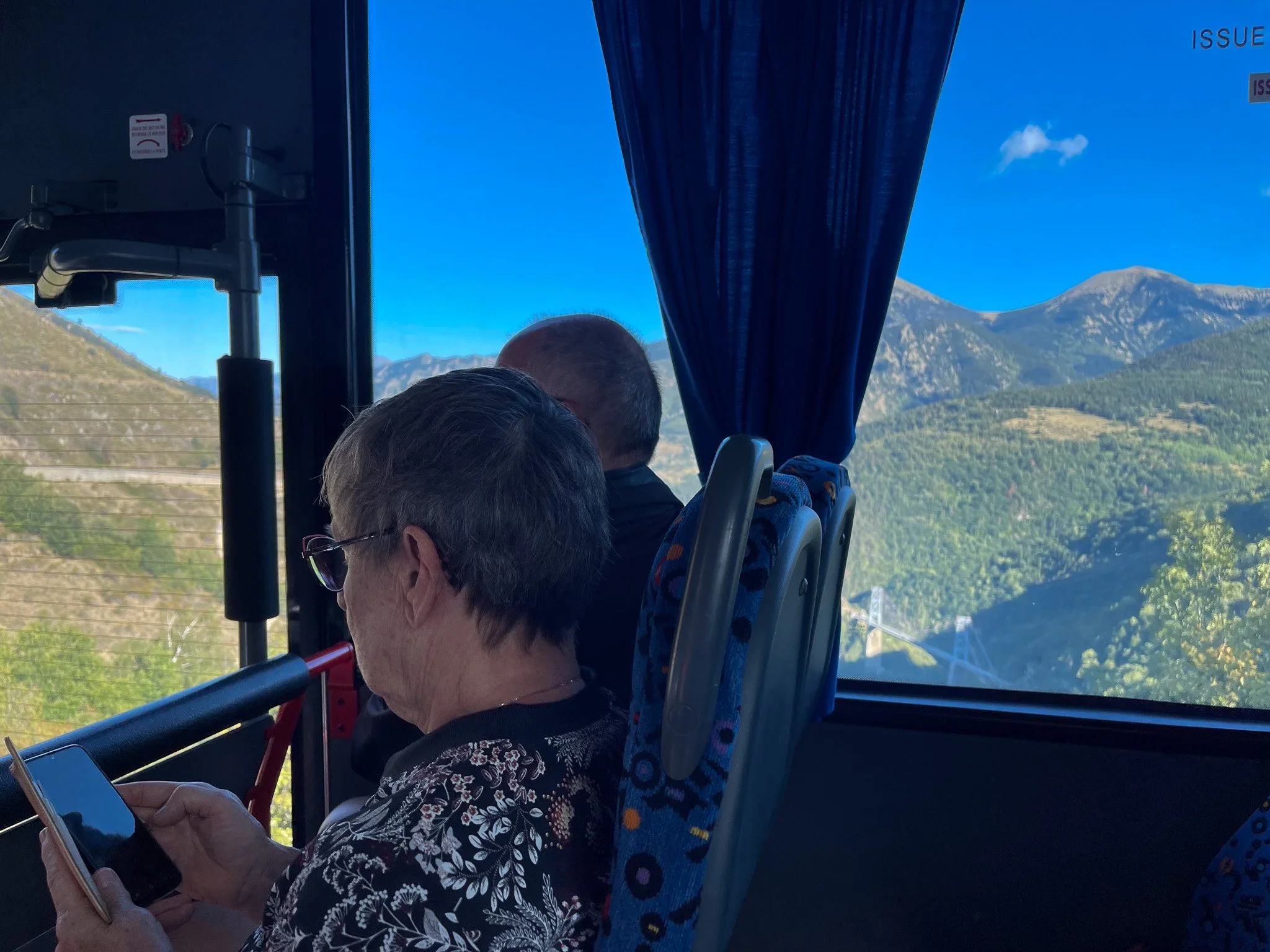
Modern culture also encourages people to document experiences instead of fully living them. Many travelers now feel pressure to photograph every meal, every landscape, and every moment. Sometimes people watch a concert through their phones while recording it. They stand before extraordinary places not to experience them deeply, but to prove online that they were there. The experience becomes performance. Ironically, in trying to preserve memories, people often fail to fully create them.
There is also an emotional reason behind this behavior. Phones provide comfort and escape. Looking at a screen can help people avoid loneliness, anxiety, awkwardness, or difficult thoughts. The outside world may be beautiful, but beauty requires presence. To truly notice the world, people must slow down enough to feel connected to it. That can be difficult in a society driven by stress, productivity, and constant comparison.
Yet the beauty around us has not disappeared. The problem is not the mountains, the rivers, or the sunsets—it is our divided attention. A child still laughs in the park. Light still falls gently across old buildings in the evening. The ocean still changes color before dusk. These moments continue quietly whether people notice them or not.
Perhaps the greatest loss is not that people use their phones too much, but that they miss the small experiences that give life depth and meaning. Some of the most memorable moments in life are simple: a conversation during a walk, the smell of rain, the sound of leaves moving in the wind, or watching strangers pass by in silence. These experiences cannot compete with the speed of technology, yet they nourish the human spirit in a deeper way.
Mobile phones are not evil. They connect people, provide knowledge, and make modern life easier. The challenge is balance. Technology should serve human life, not replace direct experience of it. Sometimes the most important act today is simply putting the phone away long enough to notice the world again.
In the end, beauty still surrounds us. The question is whether we are present enough to see it.