The Soul of Paris Begins on Foot
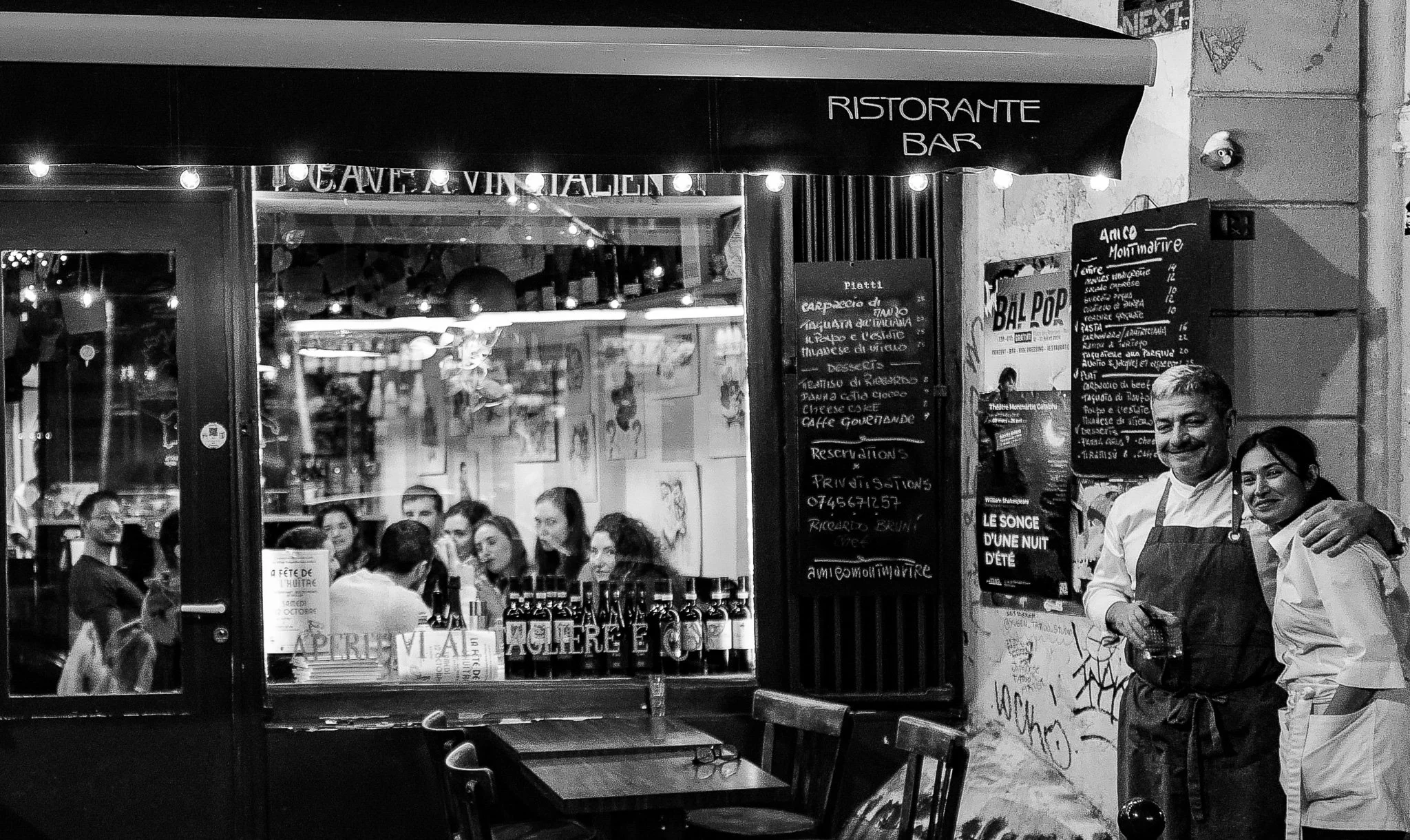
Montmartre, Paris
There is something deeply human about discovering a city on foot. Walking slows the world down just enough for us to truly notice it. A city is not only its monuments, museums, or famous boulevards—it is the rhythm of daily life, the smell of bread drifting from a bakery at dawn, the sound of café chairs scraping against stone sidewalks, the quiet conversations on narrow streets, and the changing light on old buildings. None of these can fully be experienced from the window of a taxi or the underground silence of a metro train. A city reveals itself gradually to the walker.
When you walk, distance no longer feels like a barrier but part of the experience itself. Streets become connections rather than obstacles. Neighborhoods blend into one another naturally, and you begin to understand the geography and soul of the city. You remember corners, cafés, hidden courtyards, staircases, markets, and small details that would otherwise disappear in haste. Walking transforms a visitor into an observer and, eventually, into someone who feels temporarily at home.
Few places in the world reward walking as beautifully as Montmartre. Perched above the city on its famous hill, Montmartre feels almost like a village suspended within the vastness of Paris. Its winding streets, stairways, ivy-covered buildings, artists’ corners, and neighborhood cafés create an atmosphere that invites wandering without destination. There is poetry in simply walking downhill from Montmartre toward the center of Paris each morning.
Making Montmartre your base offers something unique: distance from the intensity of central Paris while still remaining deeply connected to it. At night, after the crowds thin and the cafés quiet down, Montmartre regains its intimate character. The neighborhood breathes differently in the early morning and evening hours. Bakers open their shutters, locals walk their dogs, musicians practice behind open windows, and life unfolds gently. Staying there allows you to experience Paris not only as a tourist but as a temporary resident.
Walking daily from Montmartre into the heart of Paris creates a gradual transition into the city’s energy. The descent itself becomes a ritual. Every day reveals something new—a different storefront, a hidden passage, an old church, a street musician, or simply a new quality of light reflecting on the Haussmann façades. Paris is a city built for walking because its beauty exists not only in landmarks like Eiffel Tower or Louvre Museum, but in the spaces between them.
Walking also creates memory in a way no other form of travel can. You remember how your legs felt crossing bridges over the Seine River, the cafés where you paused for coffee, the quiet streets you accidentally discovered, and the feeling of arriving somewhere entirely by your own movement. The city becomes personal because you earned every view step by step.
To truly know a city is to move through it slowly enough to listen to it. Walking allows the city to speak. And in Paris, beginning each day in Montmartre and wandering toward the center is not simply transportation—it is part of the romance, the education, and the experience of the city itself.
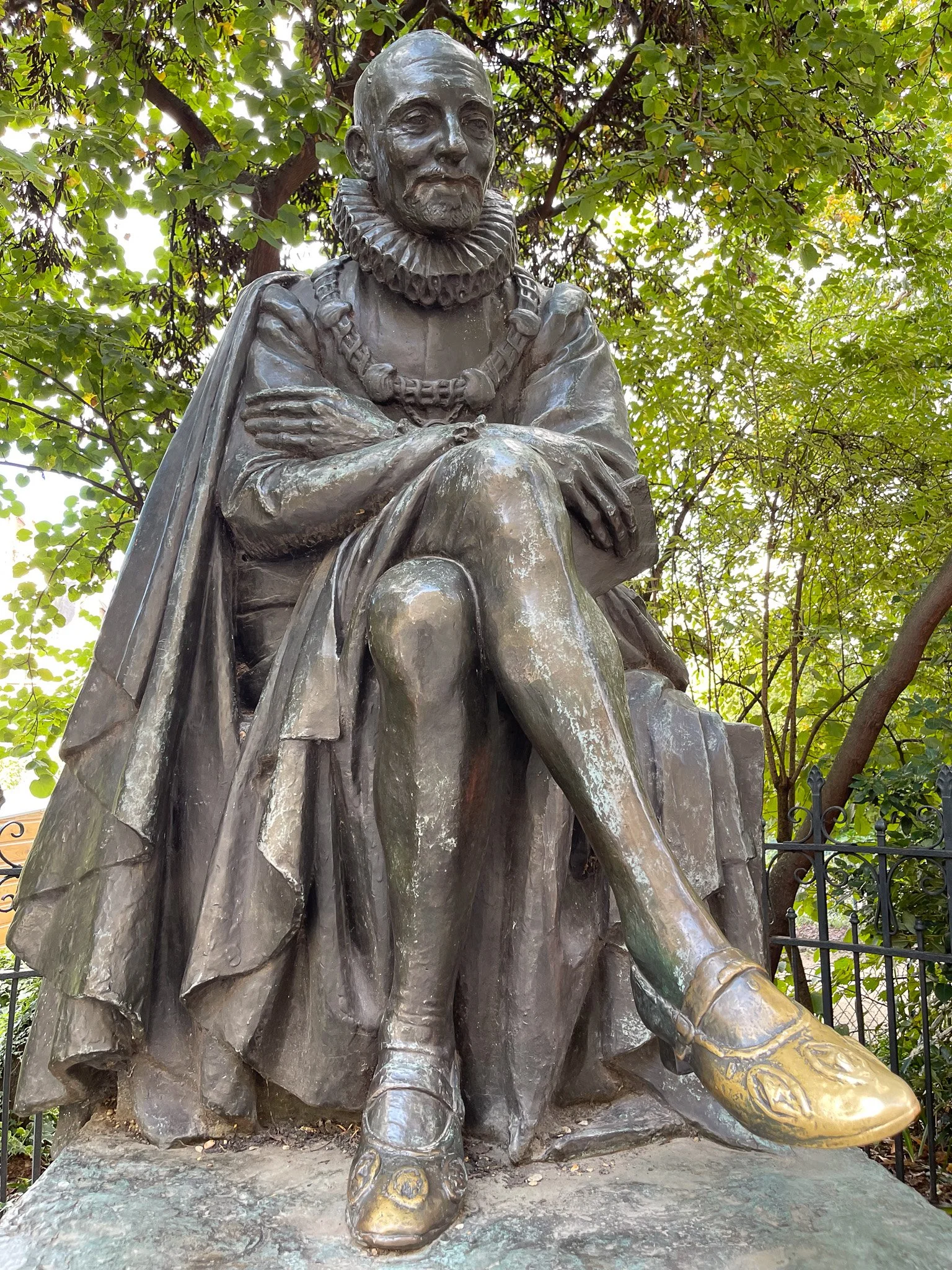
There is something fitting about discovering Montaigne while walking through Paris. He was a thinker who believed life itself was the greatest classroom, and that understanding comes slowly—through observation, movement, reflection, and experience.