Wonder in all directions
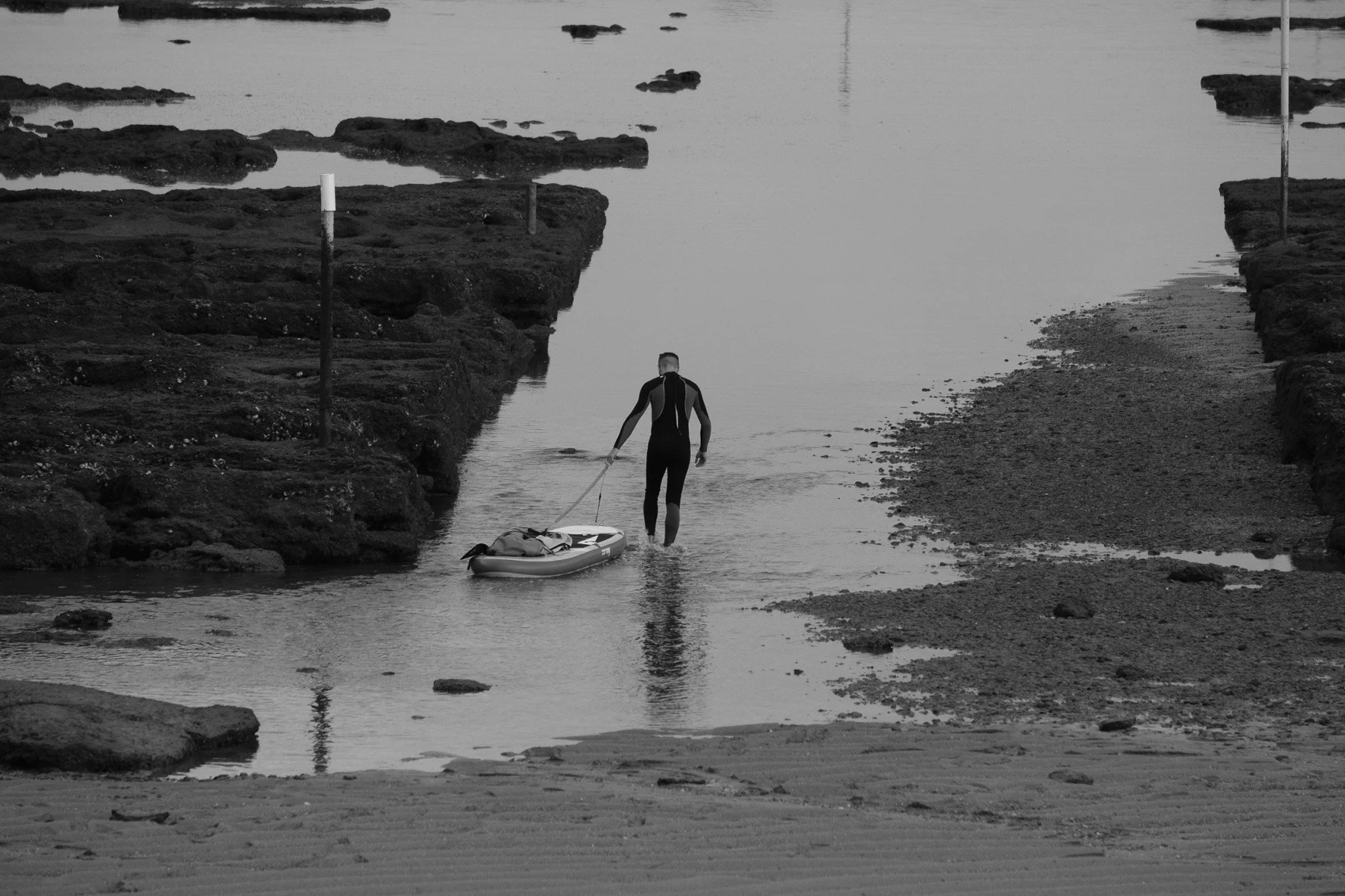
Cádiz, Spain
Wisdom Begins in Wonder
The ancient philosopher Socrates is often associated with the idea that “wisdom begins in wonder.” Whether spoken directly by him or later expressed through the tradition of Greek philosophy, the meaning remains timeless. Wonder is the spark that awakens the human spirit. It is the moment we stop moving mechanically through life and begin to truly see.
Wonder begins when we look beyond routine. A child staring at the stars, a traveler walking through an unfamiliar village, an old man listening to the wind in the trees, or someone quietly watching sunlight fall across a mountain valley—all are moments where wonder interrupts ordinary life. In those moments, we realize how little we truly know. And that realization is the beginning of wisdom.
Without wonder, life becomes predictable and closed. We stop asking questions. We stop listening. We believe we already understand the world. But wonder humbles us. It reminds us that existence is larger, deeper, and more mysterious than our daily concerns. The wise person is not the one who claims certainty about everything, but the one who remains curious in all directions.
Wonder in all directions means opening ourselves fully to life. Wonder toward nature teaches us humility. Standing before the ocean, the forests, or the mountains reminds us that we are only a small part of something immense. Wonder toward people teaches us empathy. Every person carries unseen struggles, memories, dreams, and stories. To truly listen to another human being is an act of wonder itself.
Wonder also leads inward. When we reflect on our own fears, desires, and contradictions, we begin to understand ourselves more honestly. Wisdom is not only knowledge about the world; it is also awareness of the self. Many people spend their lives distracted, avoiding silence because silence forces them to confront deeper questions. Yet wonder invites those questions instead of fearing them.
Travel often awakens this state naturally. Walking through ancient streets, hearing unfamiliar languages, tasting new food, or seeing landscapes different from our own expands the mind. The world suddenly feels alive again. We remember that there are countless ways to live, think, and dream. Wonder dissolves arrogance because it shows us how vast humanity truly is.
In modern life, wonder is easily lost. People move quickly, stare constantly at screens, and consume information without reflection. Everything becomes immediate and familiar. Yet wisdom cannot grow in constant distraction. It grows slowly through attention. To wonder requires pause. It requires presence.
Philosophy, art, religion, science, and travel all begin from the same impulse: the desire to understand the mystery before us. The scientist wonders about the stars. The artist wonders about beauty. The pilgrim wonders about meaning. The philosopher wonders about truth. In every case, wonder becomes the doorway to deeper understanding.
Perhaps this is why wise people often retain a childlike quality. Not childishness, but openness. They continue to marvel at ordinary things—a conversation, a landscape, a piece of music, the passing of seasons. They do not allow familiarity to blind them to the miracle of existence.
Wisdom begins in wonder because wonder keeps the soul alive. It keeps us learning, exploring, listening, and growing. The moment we stop wondering is the moment we begin to close ourselves off from life itself. But when we remain curious in all directions, the world never stops teaching us.